
Drodzy przyjaciele,
z wielką radością i z łezką w oku prezentuje wam przedwojenną pieśń Chasydów Ger w moim wykonaniu.
Nagrałem tę pieśń, aby choć na chwilę przywrócić pamięć o przedwojennej żydowskiej społeczności w Polsce i ukazać, choć na chwilę zaginiony świat polskich Chasydów.
Jest to bardzo wyjątkowa pieśń, z kilku powodów. Po pierwsze jest to pieśń, którą Chasydzi śpiewali przed wojną w Polsce w drodze do swojego Rabina w Górze Kalwarii a więc w świecie, który już nie istnieje w naszej Polsce.
Co jest jeszcze wyjątkowego w niej jest to, że Chasydzi nie śpiewali jej po hebrajsku czy w jidysz ale śpiewali ją po polsku.
Chasydów Ger w Polsce już nie ma ale ich pieśń pozostała.
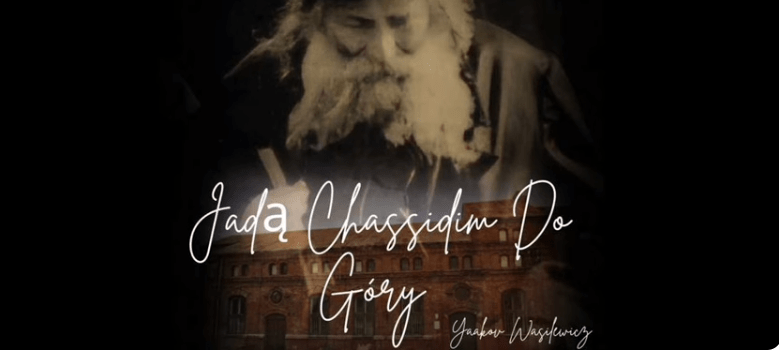
Zapraszam więc do posłuchania pieśni Chasydów Ger pt. “Jadą Chassidim Do Góry”.
Yaakov Wasilewicz
Przenieśmy się na chwile do przedwojennej Polski.
Do cadyka Altera z dynastii Ger (Góra Kalwaria w języku hebrajskim) zjeżdżają wyznawcy z całego świata, często zostają na dłużej, aby w tym magicznym mieście studiować w synagodze Talmud i zwoje Tory.
Dwór cadyka jest oblegany, niektórzy młodzieńcy wchodzą na drzewa lub dach dworu i tkwią tam godzinami, aby tylko móc zobaczyć wielkiego rebego lub doświadczyć szczęścia najwyższego – audiencji. Marzeniem wielu jest usłyszeć od rebe choć „szalom aleichem”.
Rabin Jehuda Arie Lejb Alter urodzony w 1847 r., znany również jako “Sfas Emes” cieszył się wśród chasydów niebywałą popularnością.
„Dziennik Poznański” pisał o nim tak:
“Rabin Jehuda Arie Lejb Alter zatopiony był w nauce Talmudu.
Na obrzędy przez niego sprawowane zjeżdżali się do Góry Kalwarii chasydzi z najdalszych zakątków Królestwa i Cesarstwa, a nawet z zagranicy.
Chasydzi Ger zjeżdżali do Góry dwa lub trzy razy do roku, a zjazdy te tak były znane, że nawet w Nowy Rok (Rosz HaSzana) i „Jom Kipur” dochodziło do 10 tysięcy żydów”.
Wyznawcy skupieni wokół stołu, a nawet pod stołem, śledzili i interpretowali każde jego słowo, każdy ruch i gest, konkurując o resztki strawy z cadykowej misy.
Chasydzi przybywali do Góry Kalwarii przede wszystkim kolejką grójecką, ale też końmi, a nawet pieszo. Wśród nich byli prości chasydzi. Rabin Alter wspierał biednych żydów, często im pomagał, chętnie rozmawiał, wspierając choć słowem.
Starozakonni podróżujący z daleka dojeżdżali do Warszawy, tu przesiadali się z innych środków komunikacji do kolejki grójeckiej. W związku z tym kolejka wyprawiała pociąg za pociągiem.
Następcą Altera został jego syn Abraham Mordechaj Alter, “Imrei Emes” (1865 –1948).
Cadyk Abraham Mordechaj Alter objął dziedzictwo dworu górokalwaryjskiego od 1905 roku i był ostatnim cadykiem mieszkającym w Górze Kalwarii.
Cadycy z Góry Kalwarii stali się najbardziej wpływową grupą chasydów na ziemiach Królestwa.
__________________________________
Dear friends,
I am deeply moved and with great pleasure present to you a pre-war song of the Ger Chasidim performed by me.
This is a very special song, for several reasons.
First, it is a song that the Chasidim sang before the war in Poland on their way to their Rabbi in Góra Kalwaria, so in a world that no longer exists in Poland.
What is also special about it is that the Chasidim did not sing it in Hebrew or Yiddish, but they sang it in Polish.
The Ger Chasidim are no longer in Poland, but their song remains.
So I invite you to listen to the song of the Ger Chasidim – “Jadą Chassidim Do Góry”.
____________________________________
Let us move for a moment to pre-war Poland. Followers from all over the world come to Tzaddik Alter from the Ger dynasty (Góra Kalwaria in Hebrew), often staying for a longer time to study the Talmud and Torah scrolls in this magical city in the synagogue.
The Tzaddik’s court is besieged, some young men climb trees or the roof of the court and stay there for hours just to be able to see the great rebbe or experience the highest happiness – to hear the Rebbe speak.
The dream of many is to hear from the rebbe even „shalom aleichem”.
Rabbi Yehudah Arie Leib Alter, born in 1847, also known as „Sfas Emes” enjoyed incredible popularity among the Chassidim.
A pre-war paper „Dziennik Poznański” wrote about him as follows:
“Rabbi Yehudah Aryeh Leib Alter was immersed in the teachings of the Talmud. Hasidim from the farthest corners of the Kingdom and Empire, and even from abroad, would come to Góra Kalwaria for the ceremonies he performed.
The Ger Chassidim would come to Góra two or three times a year, and these gatherings were so well-known that even on New Year’s Day (Rosh Hashanah) and „Yom Kippur” there would be as many as 10,000 Jews.”
The Chassidim gathered around the table, and even under the table, would follow and interpret his every word, every movement and gesture, competing for the remains of food from the Tzaddik’s bowl.
The Chassidim would come to Góra Kalwaria primarily by the “kolejka”, a Warsaw–Góra Kalwaria–Grójec narrow-gauge train, but also by horse and even on foot. Among them were simple Chassidim.
Rabbi Alter supported poor Jews, often helped them, willingly talked, supporting them even with a word. Old Believers traveling from afar traveled to Warsaw, where they changed from other means of transport to the Grójec train. Therefore, the train sent train after train.
Alter’s successor was his son Abraham Mordechai Alter, „Imrei Emes” (1865-1948).
Tzaddik Abraham Mordechai Alter took over the legacy of the Góra Kalwaria court in 1905 and was the last tzaddik living in Góra Kalwaria.
The Tzaddikim/Rebbes of Góra Kalwaria became the most influential group of Chassidim in the lands of the Kingdom.
Y.W.
 Forum Żydów Polskich